“Word without action is empty, action without word is blind, word and action outside the spirit of community are death.”
For the Nasa people, “Palabrandar” means “making the word walk.”
It is not simply communicating, but transforming the word into a collective action capable of defending the territory, the memory, and the life of the community.
Words acquire meaning only when they generate concrete transformation.
They do not belong to the individual, but to the community; they serve not to affirm an individual identity, but rather to build a shared future.
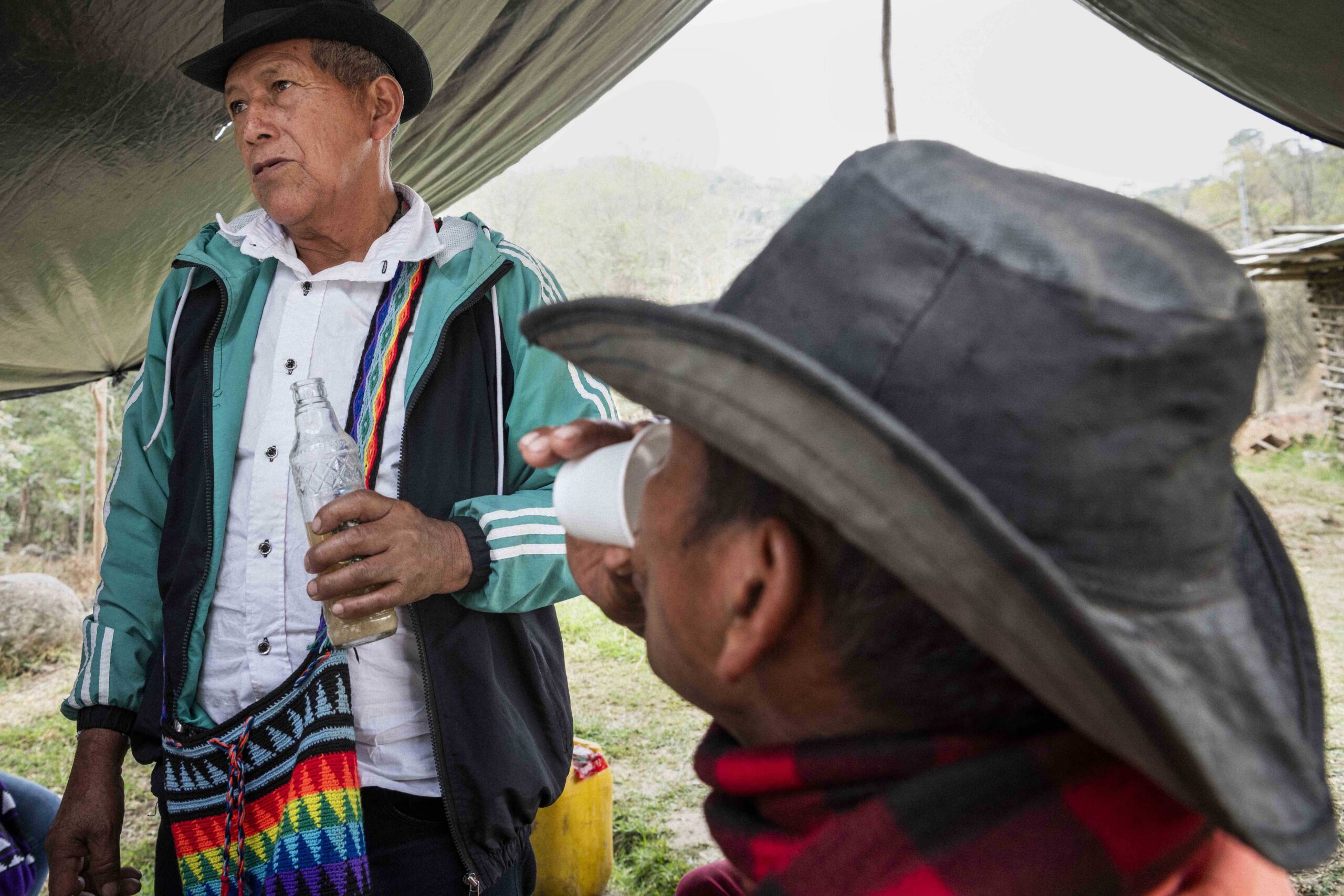
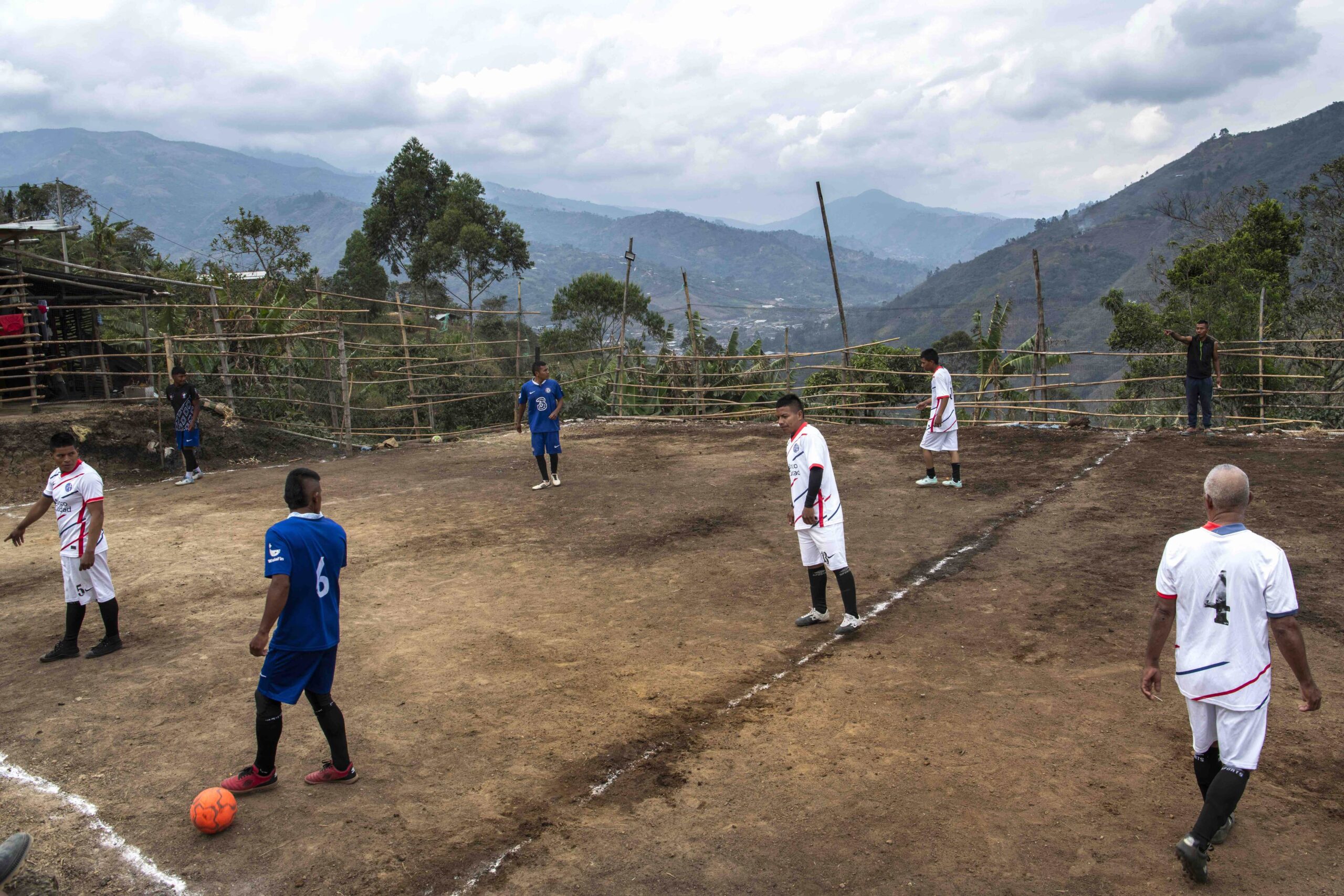
The Nasa communities are one of the 115 recognized indigenous peoples in Colombia.
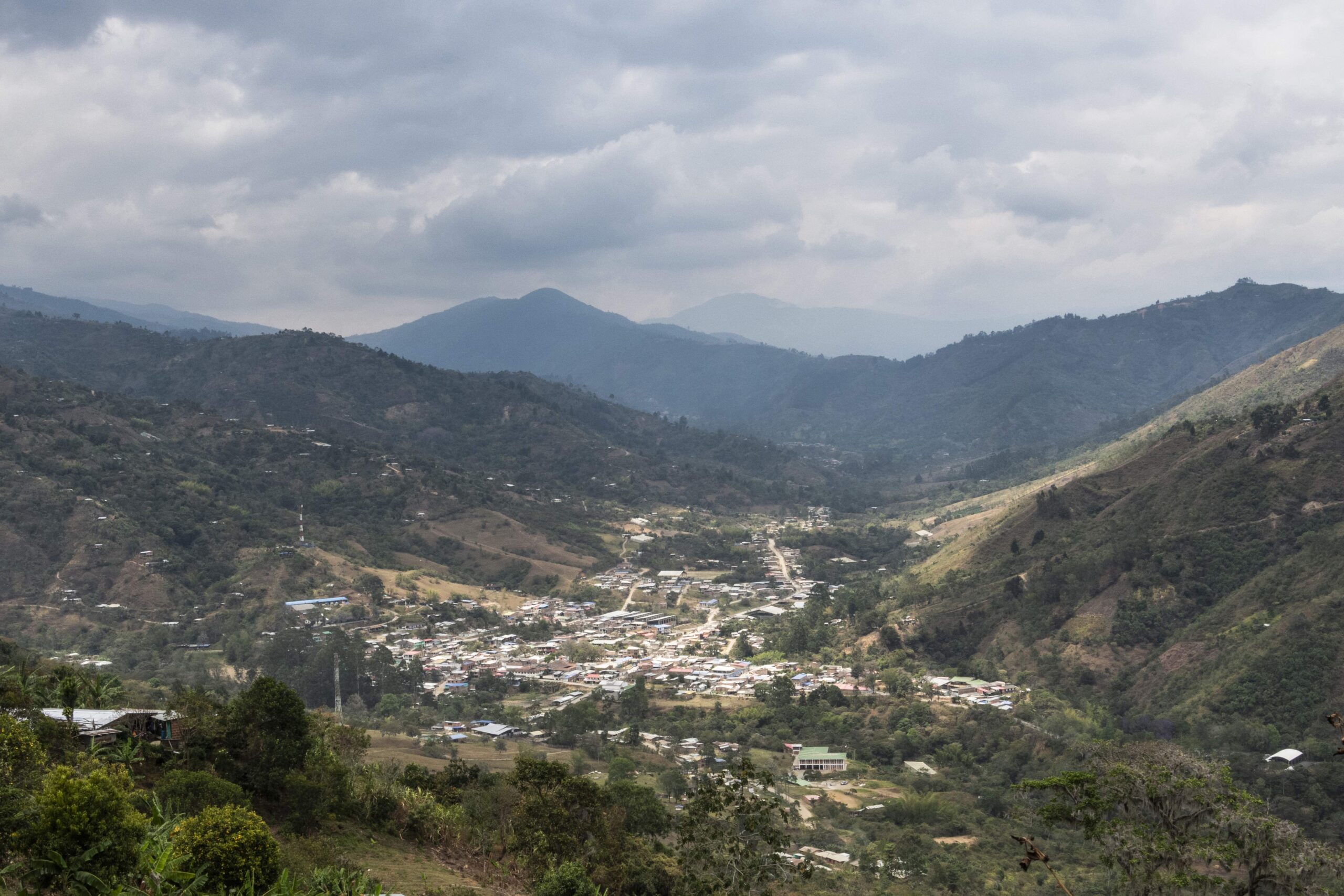
With a population of approximately 240,000, they primarily inhabit the southwestern Andes, in the department of Cauca, a very poor region and among the most affected by violence.
Although each indigenous people has lived a different history, that of the Nasa represents one of the most significant examples of collective resistance.
Since the 1960s, Colombia has been embroiled in an armed conflict involving guerrillas, state forces, and paramilitary groups.
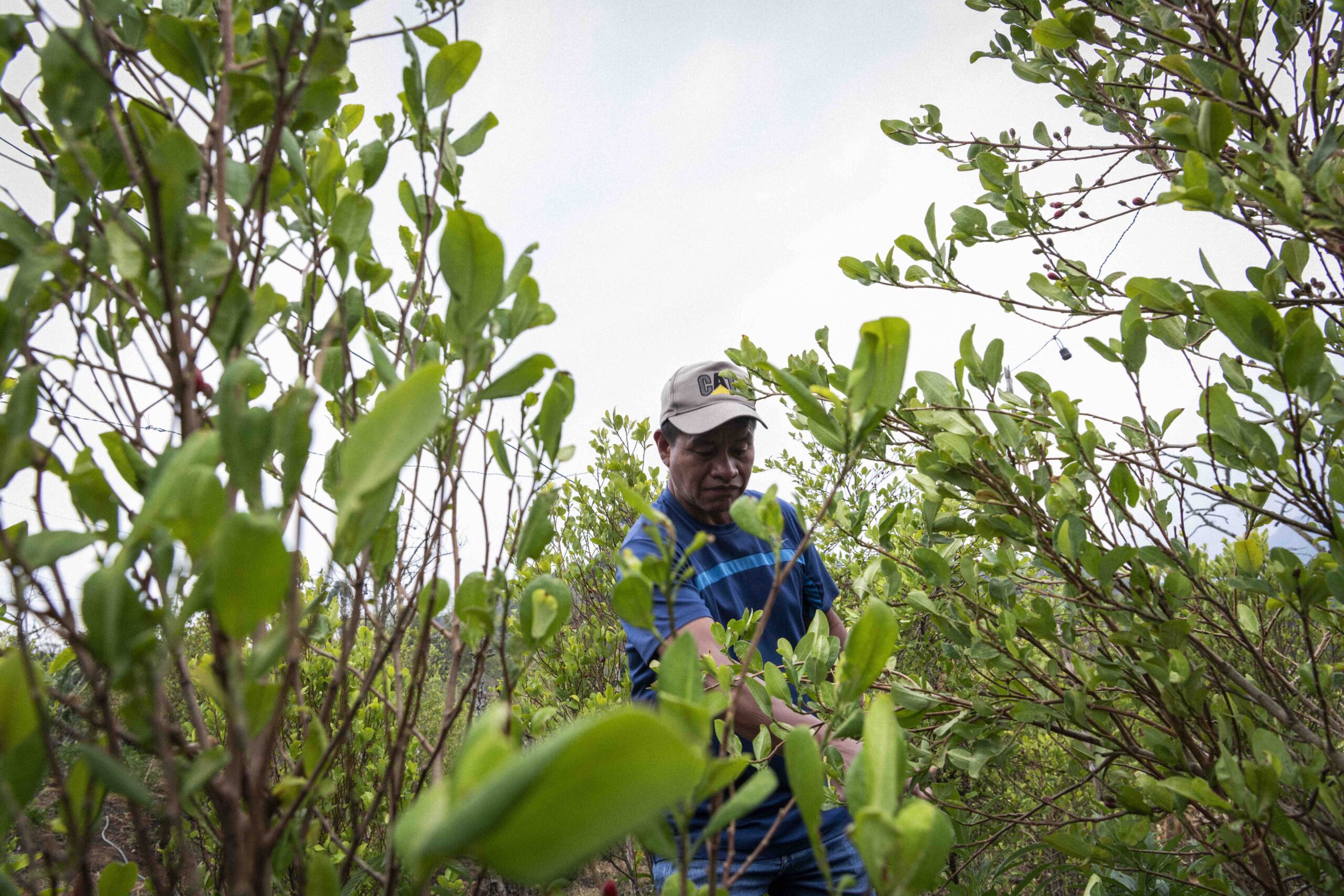
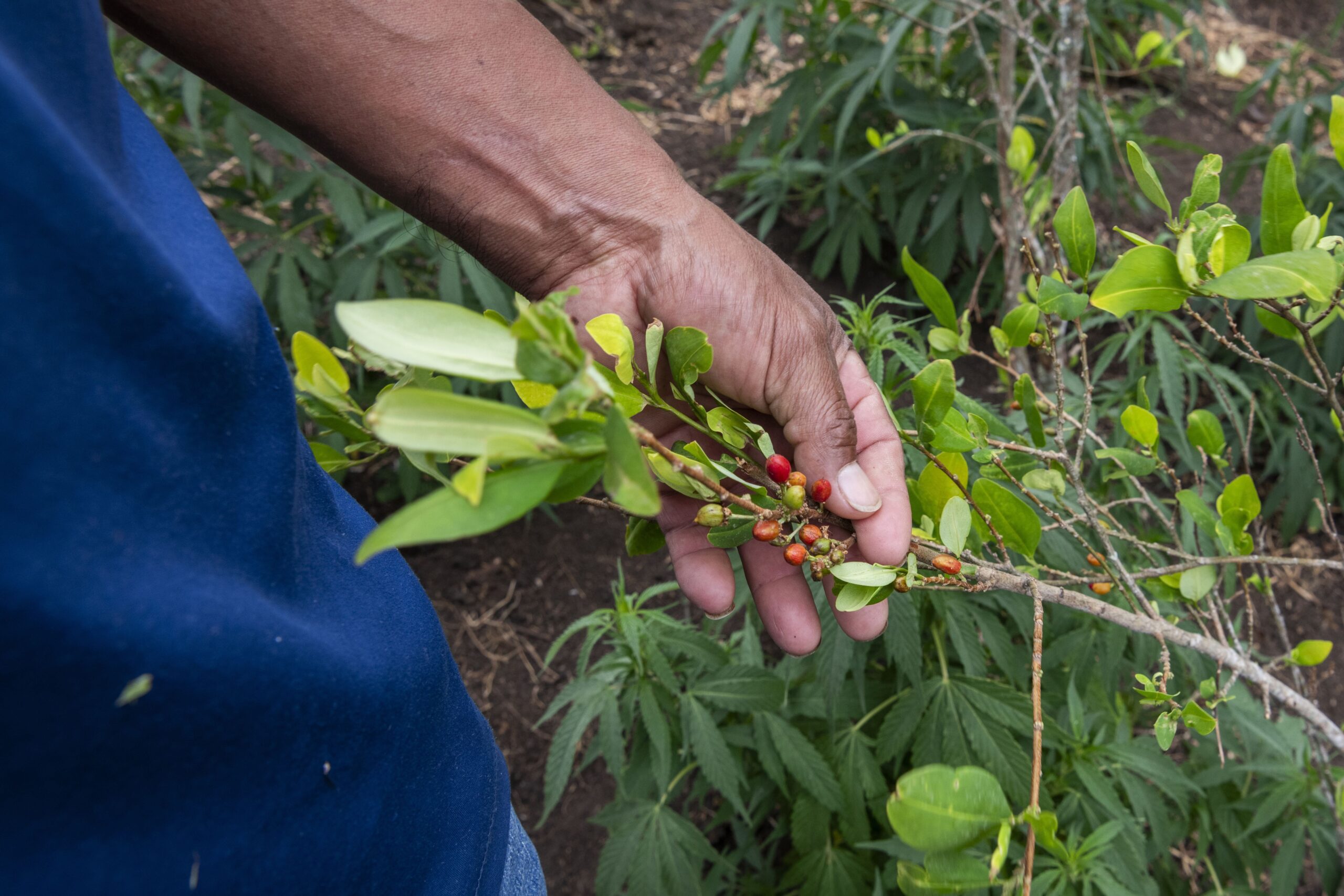
Since the 1970s, this situation has been intertwined with the expansion of drug trafficking, transforming vast rural areas into contested territories for control of coca and marijuana crops.
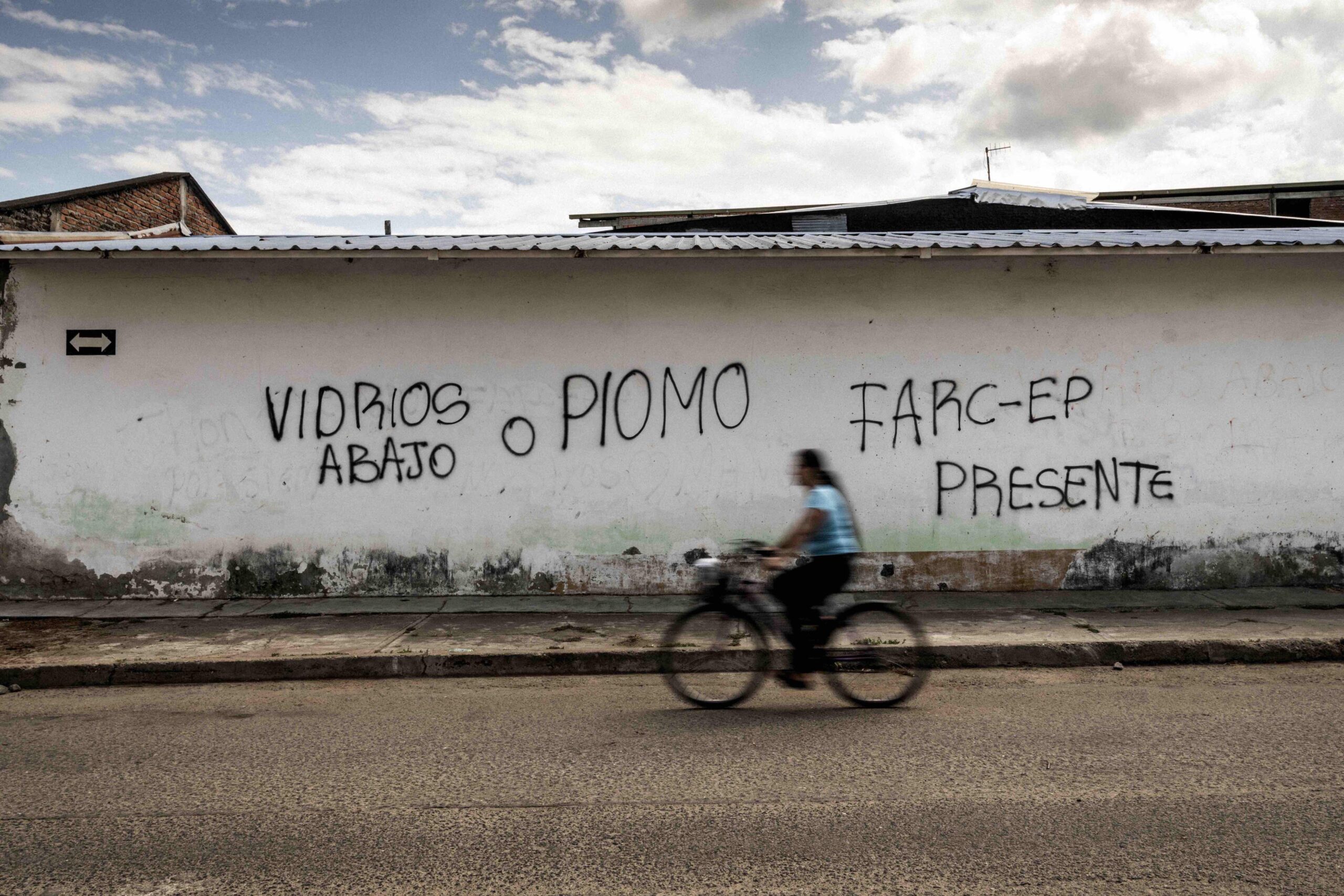
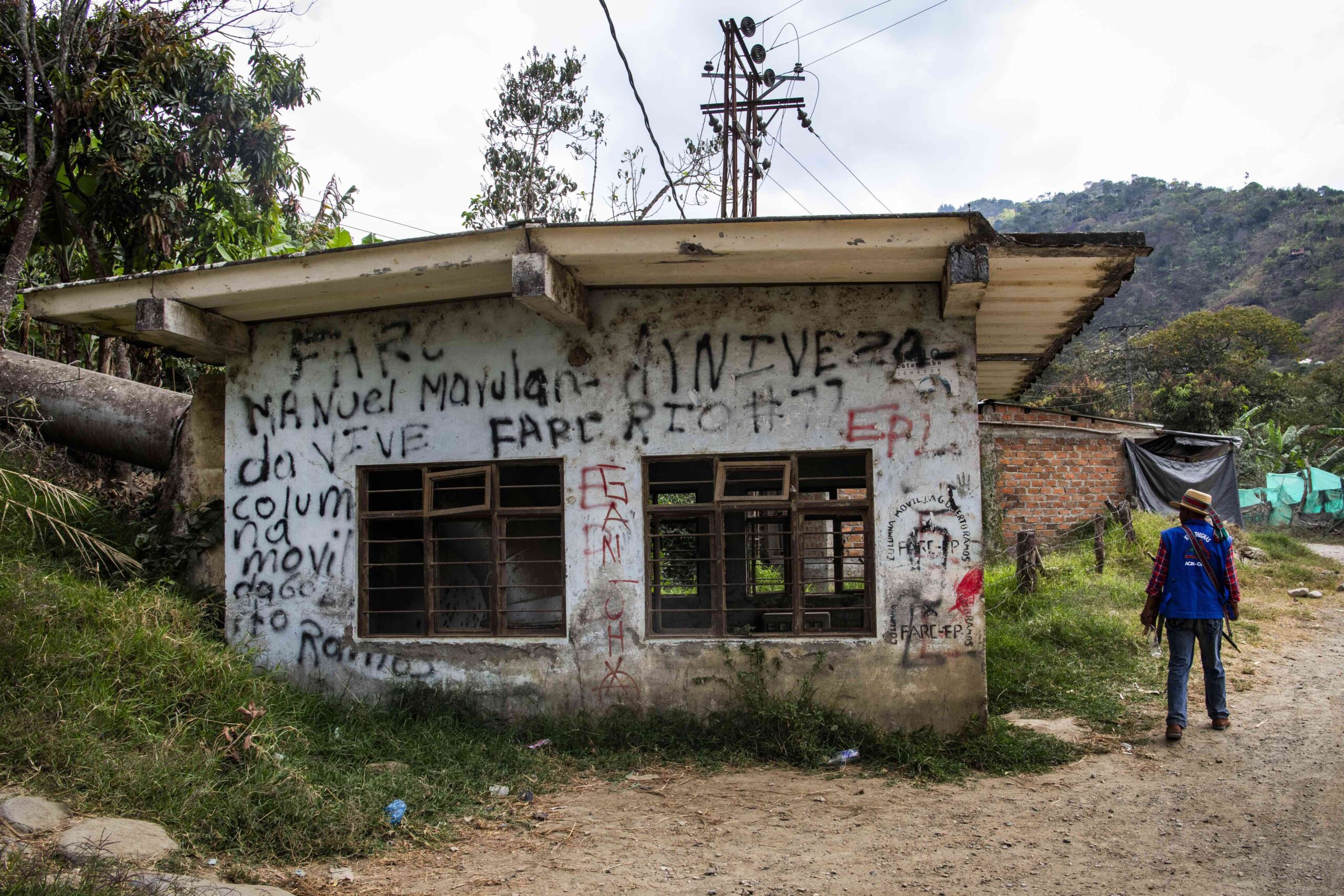
In northern Cauca, this dynamic has been further exacerbated in recent years by the alliance between drug trafficking organizations and the dissident FARC Dagoberto Ramos Front, which rejected the peace agreements signed with the Colombian government.
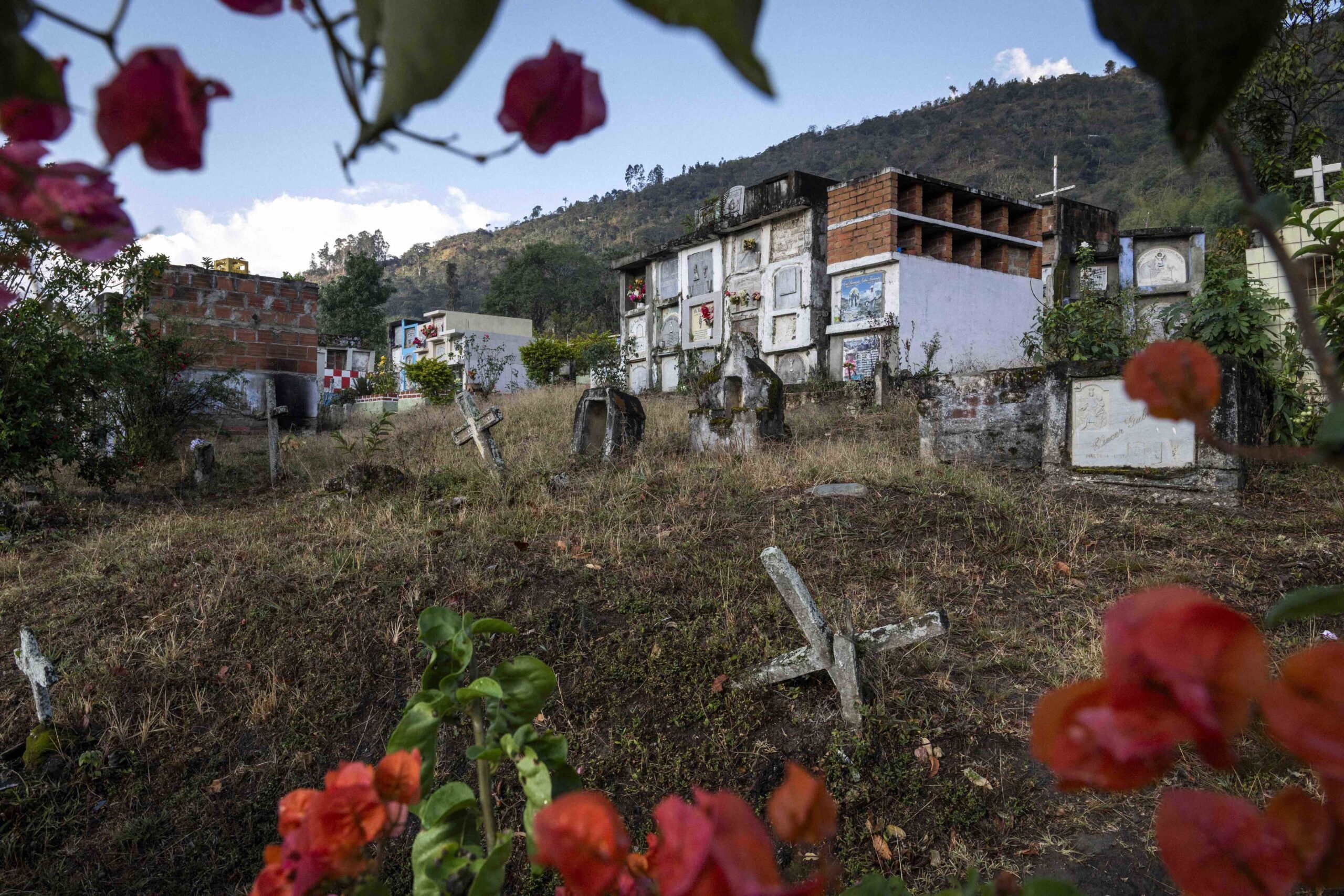
The convergence of armed conflict and the illegal economy has made the Nasa territories one of the main epicenters of violence in the country.
In 2024, Colombia reached one of the highest levels of coca cultivation ever recorded, with 261,000 hectares, a 3.5% increase over the previous year.
This country produces approximately 60–70% of the world’s production.
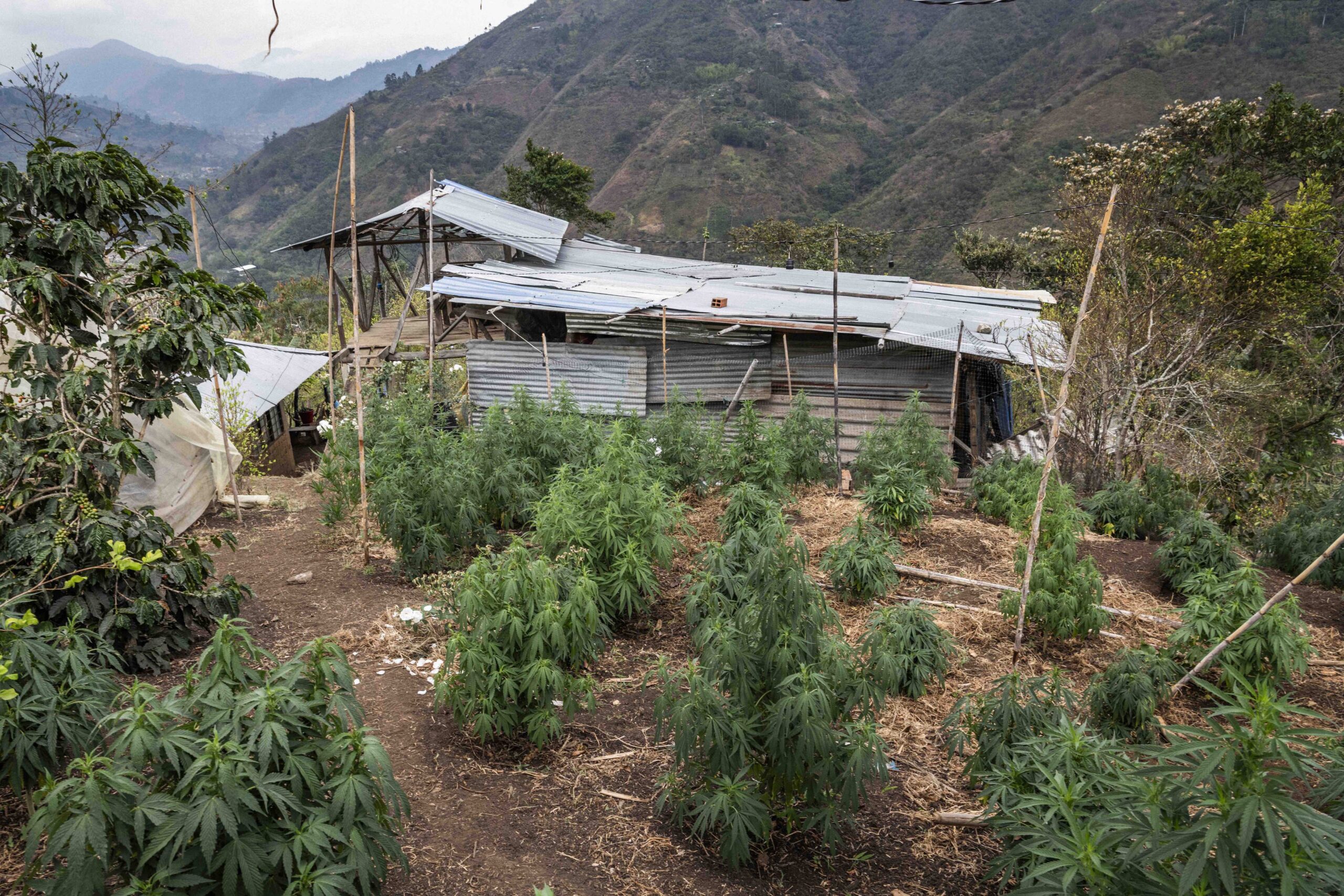
Cauca is currently one of the departments with the highest concentration of coca and marijuana cultivation, and is also one of the areas with the highest number of murders of social leaders and human rights defenders.
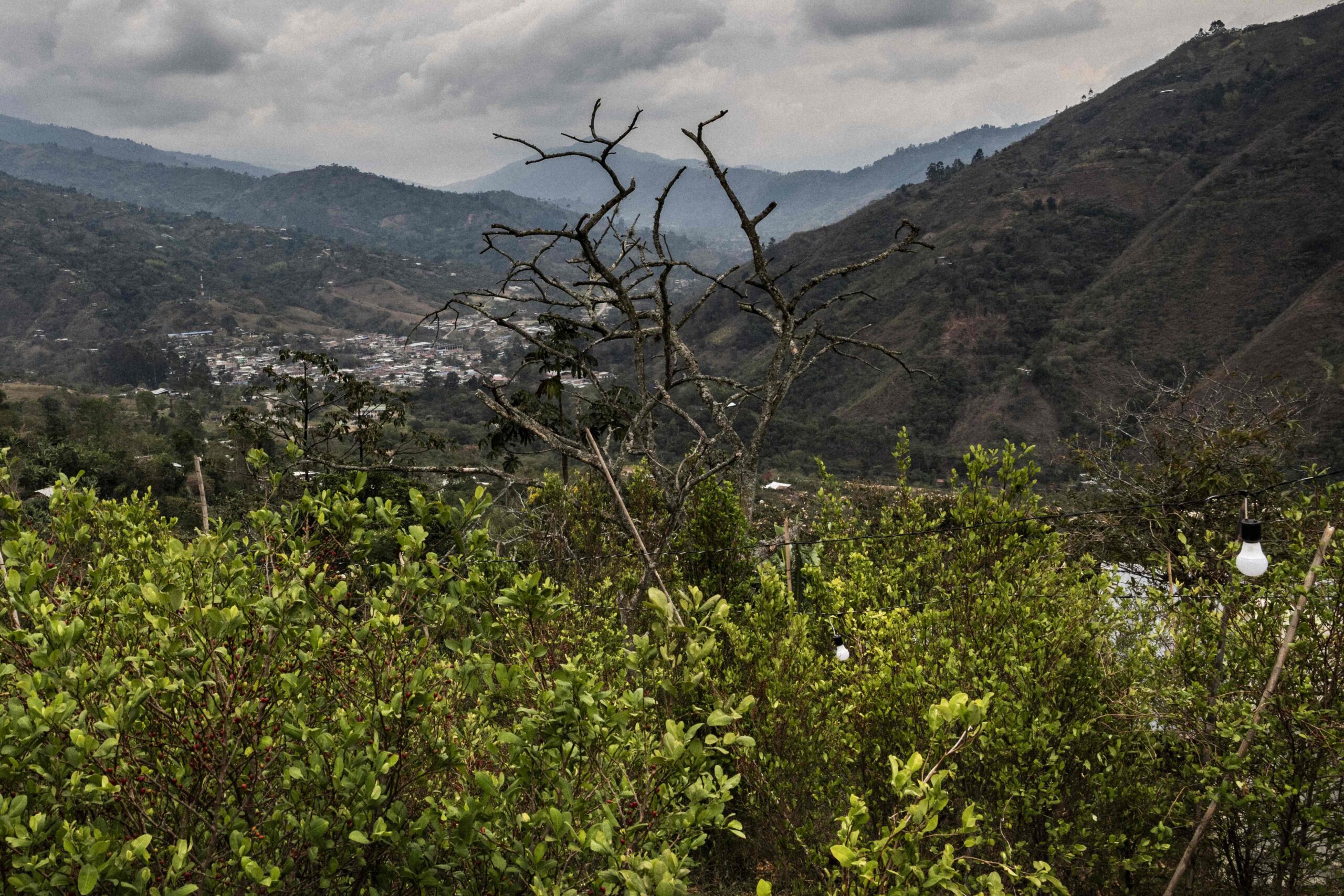
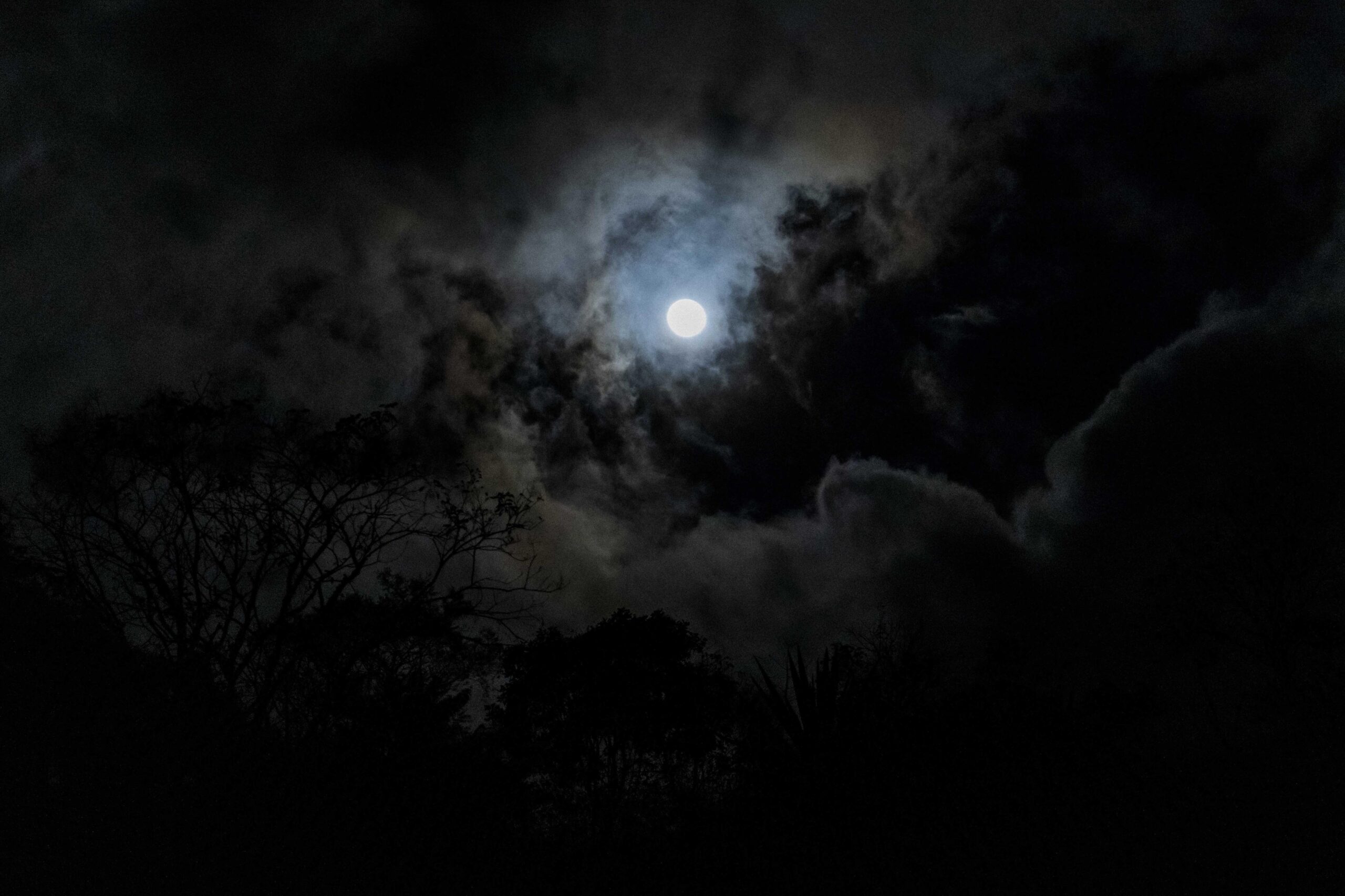
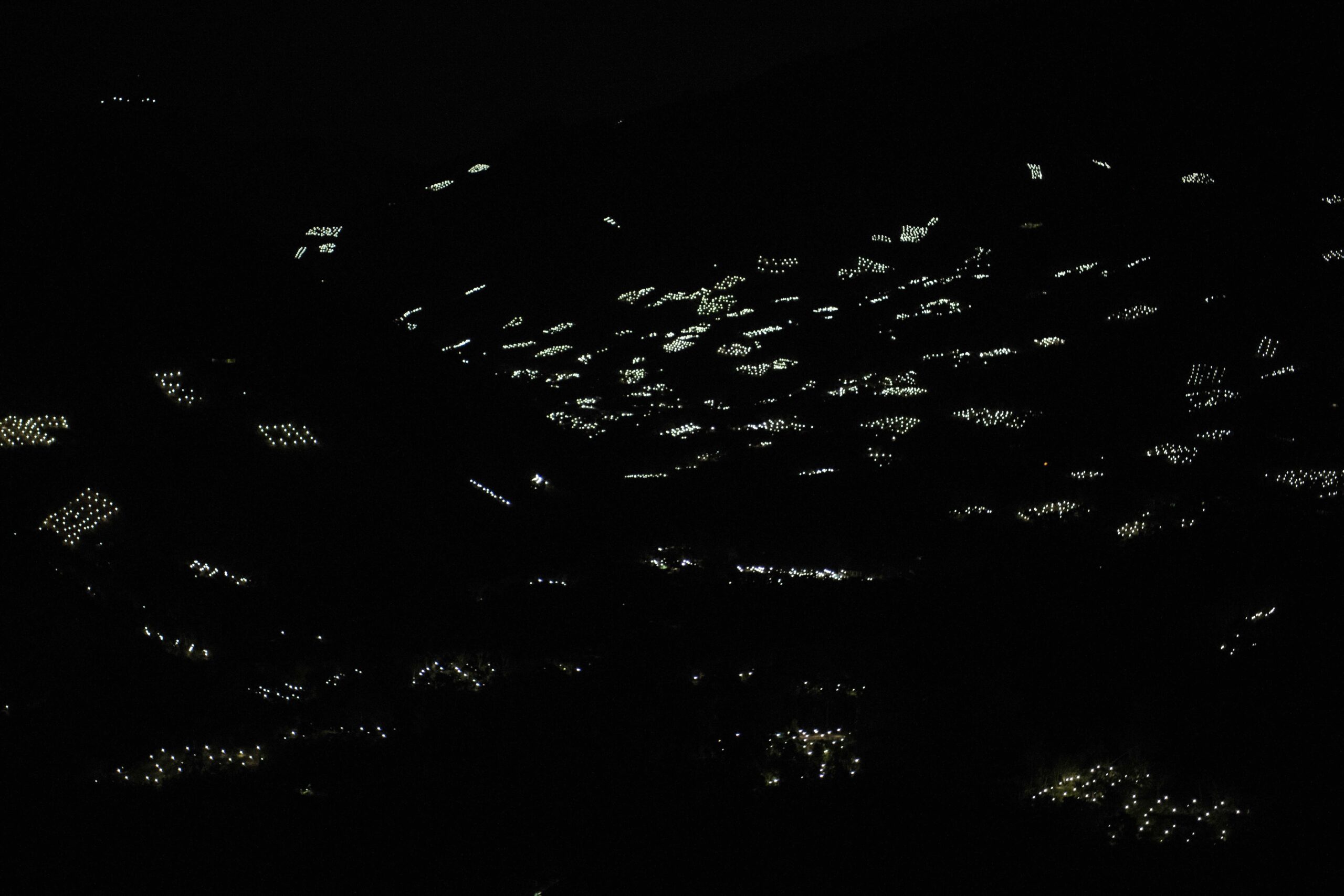
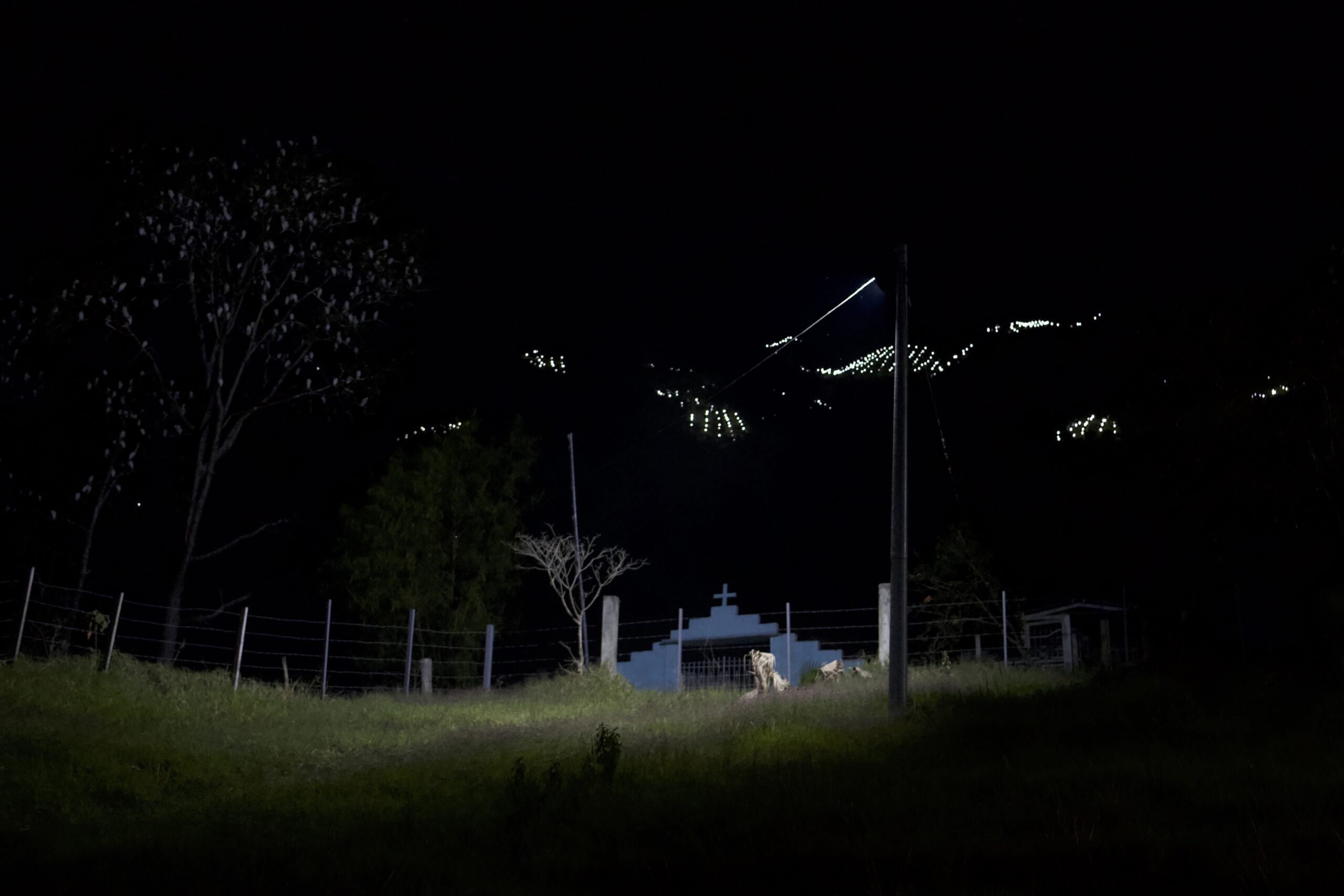
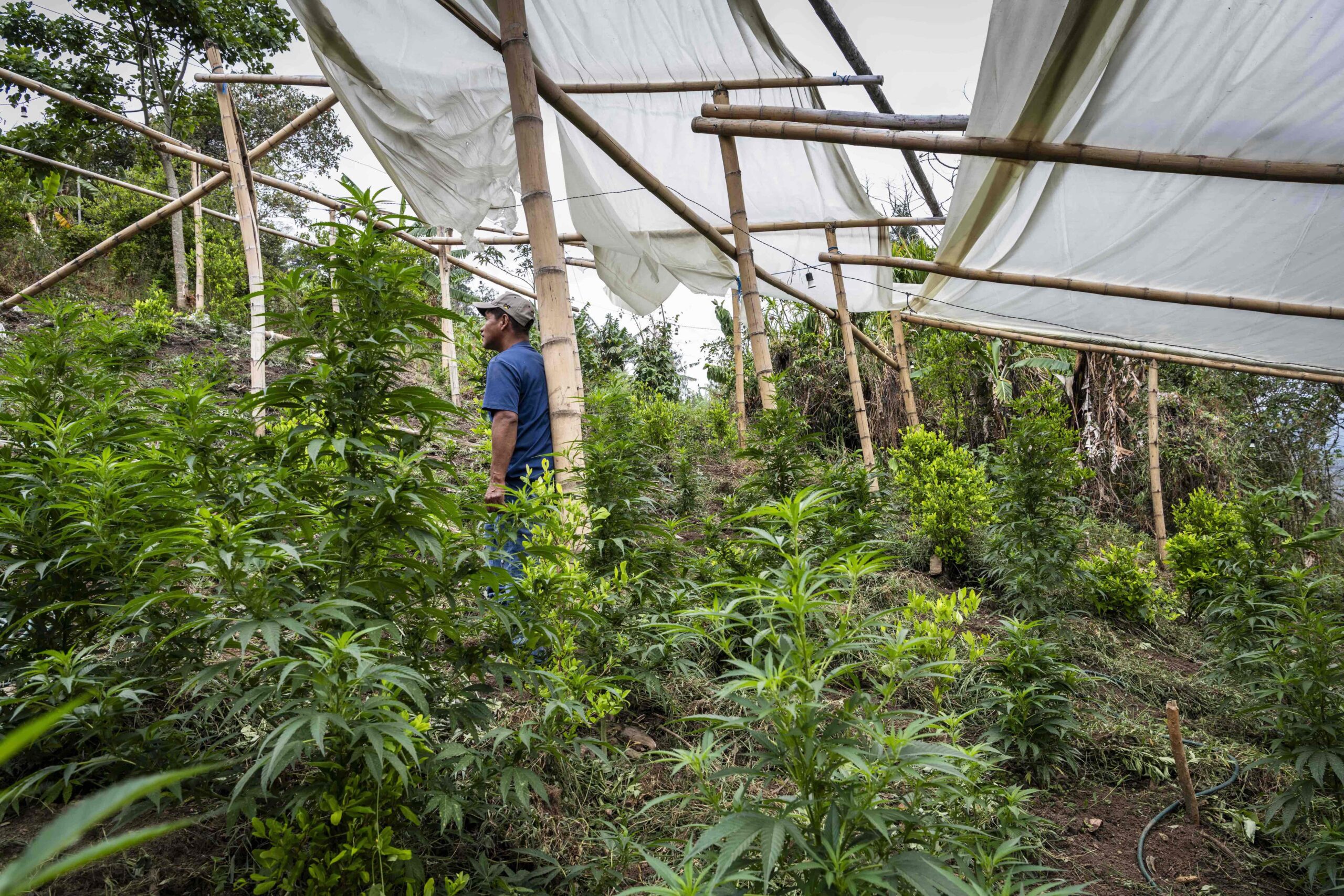
In the Nasa territory of Toribío, on the slopes of the Central Andes, hundreds of hectares of fields light up simultaneously every evening.
From a distance, they look like constellations, but those lights fuel the illegal marijuana and coca crops throughout the night, accelerating the plants’ growth and allowing for continuous harvests.
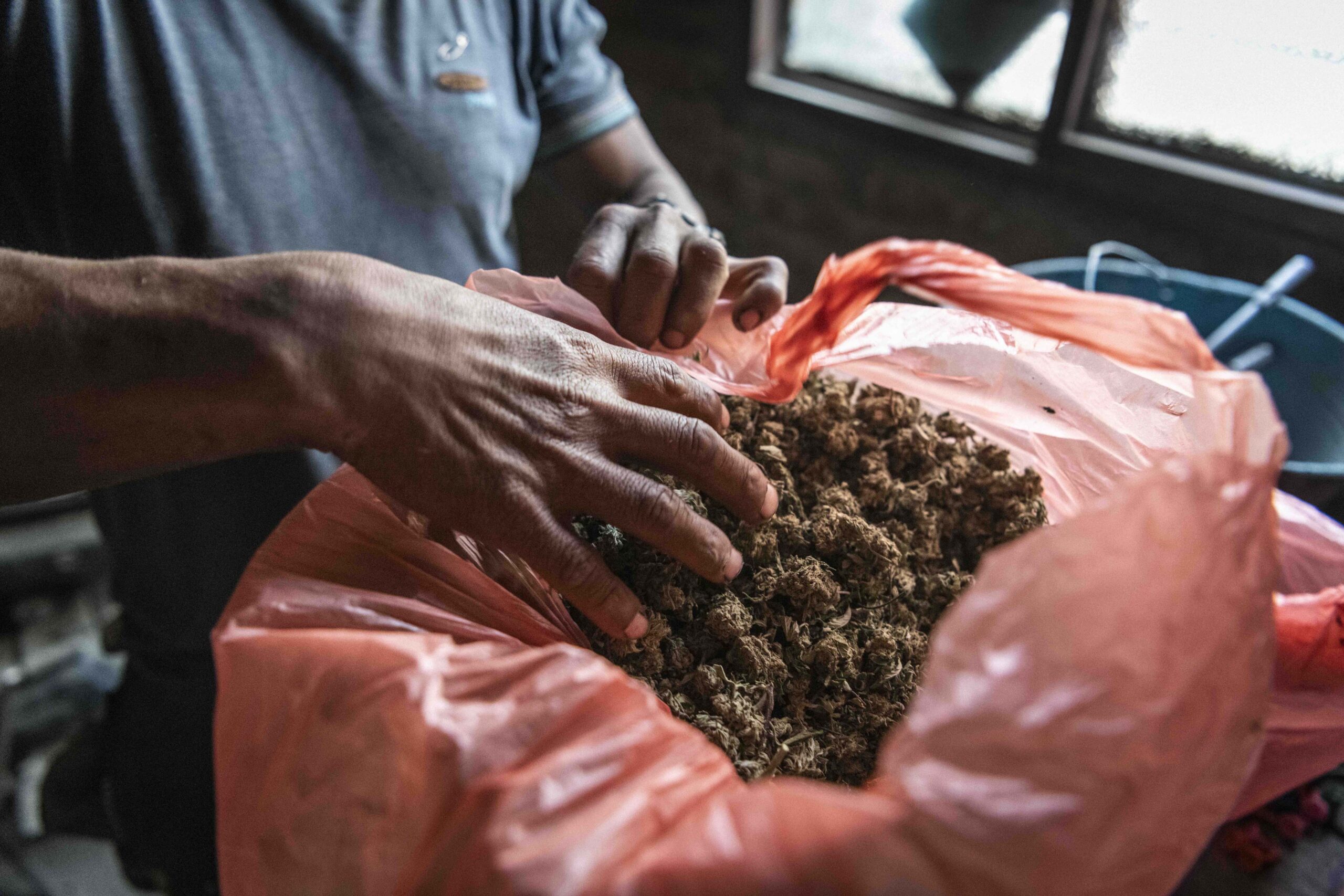
From these mountains comes Creepy, a marijuana strain with a high THC concentration that has become one of the most sought-after products.
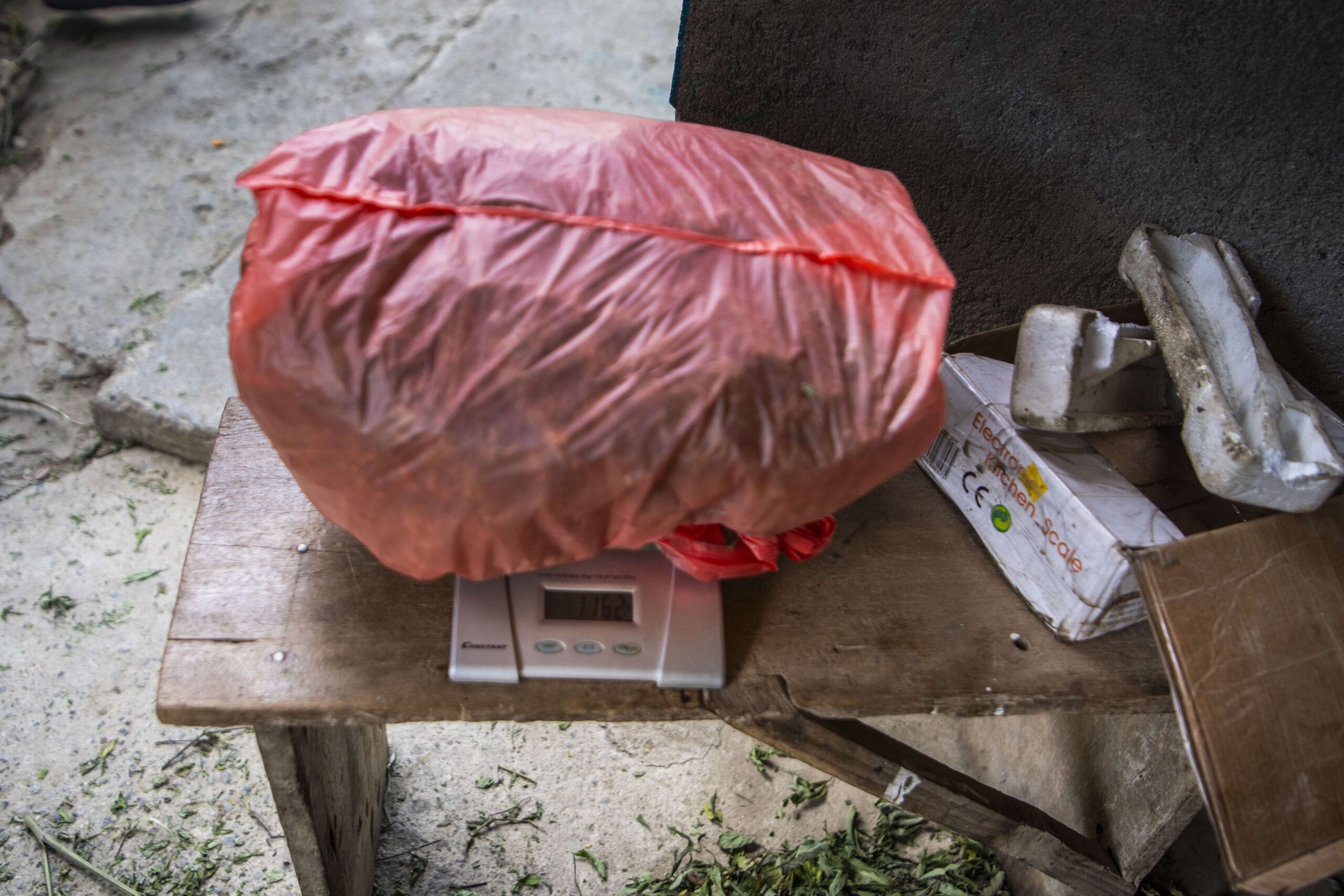
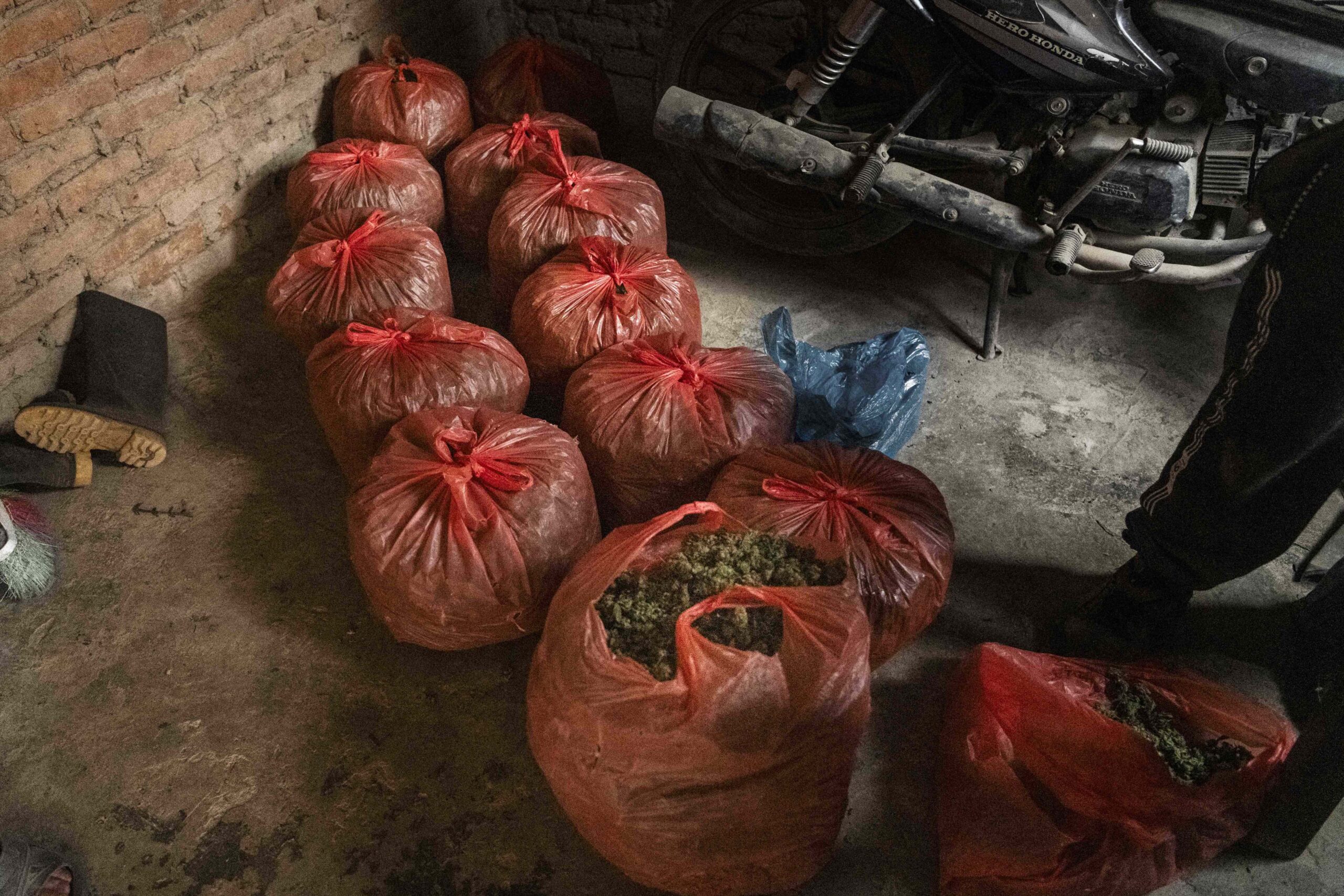
Its price, approximately between $5 and $70 per pound (about 450 grams), makes it particularly competitive and attracts intermediaries linked to the main Latin American cartels.
Much of the production and trafficking is controlled by the dissident Dagoberto Ramos Front, which exercises armed control over the region’s territory and illegal economy.
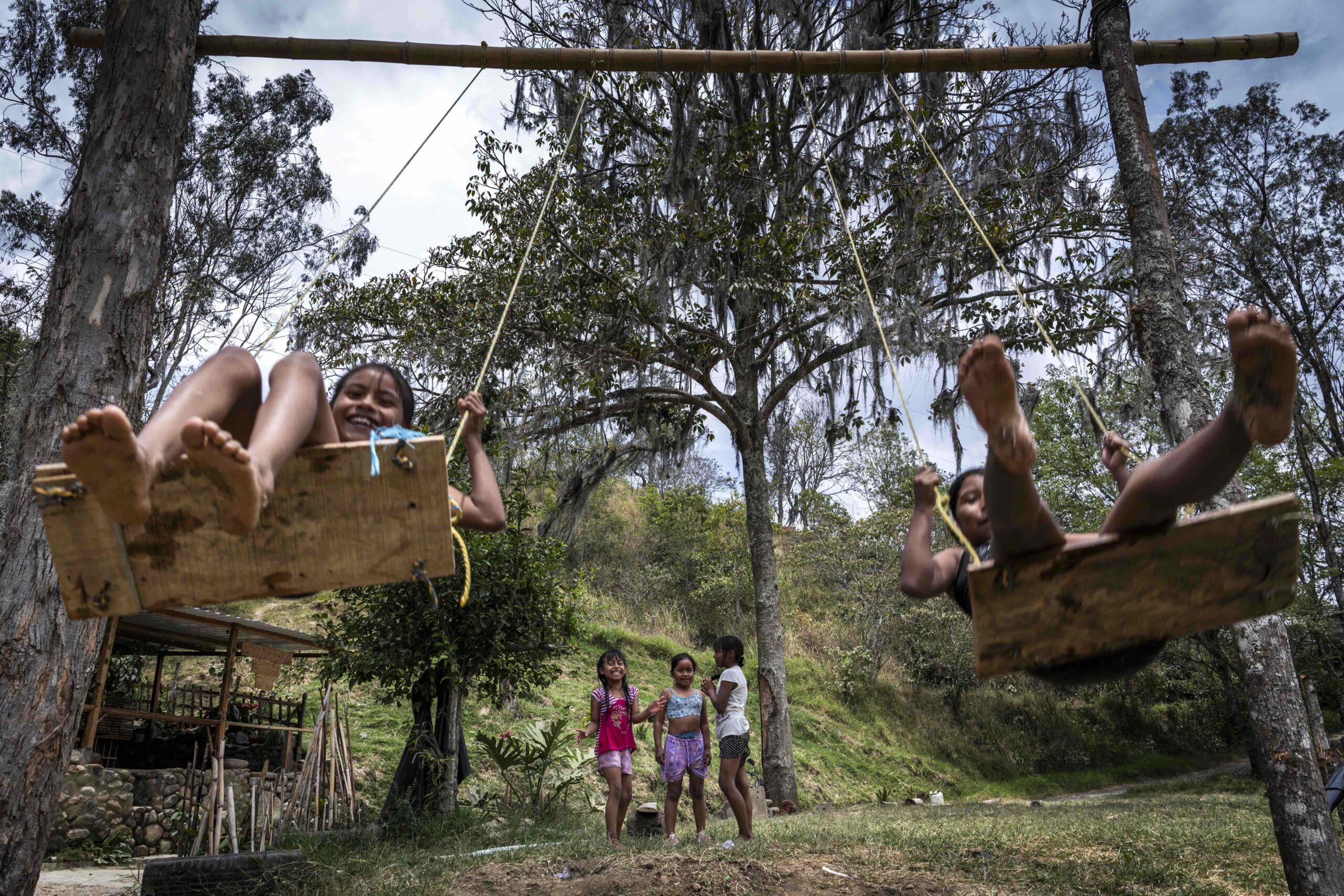
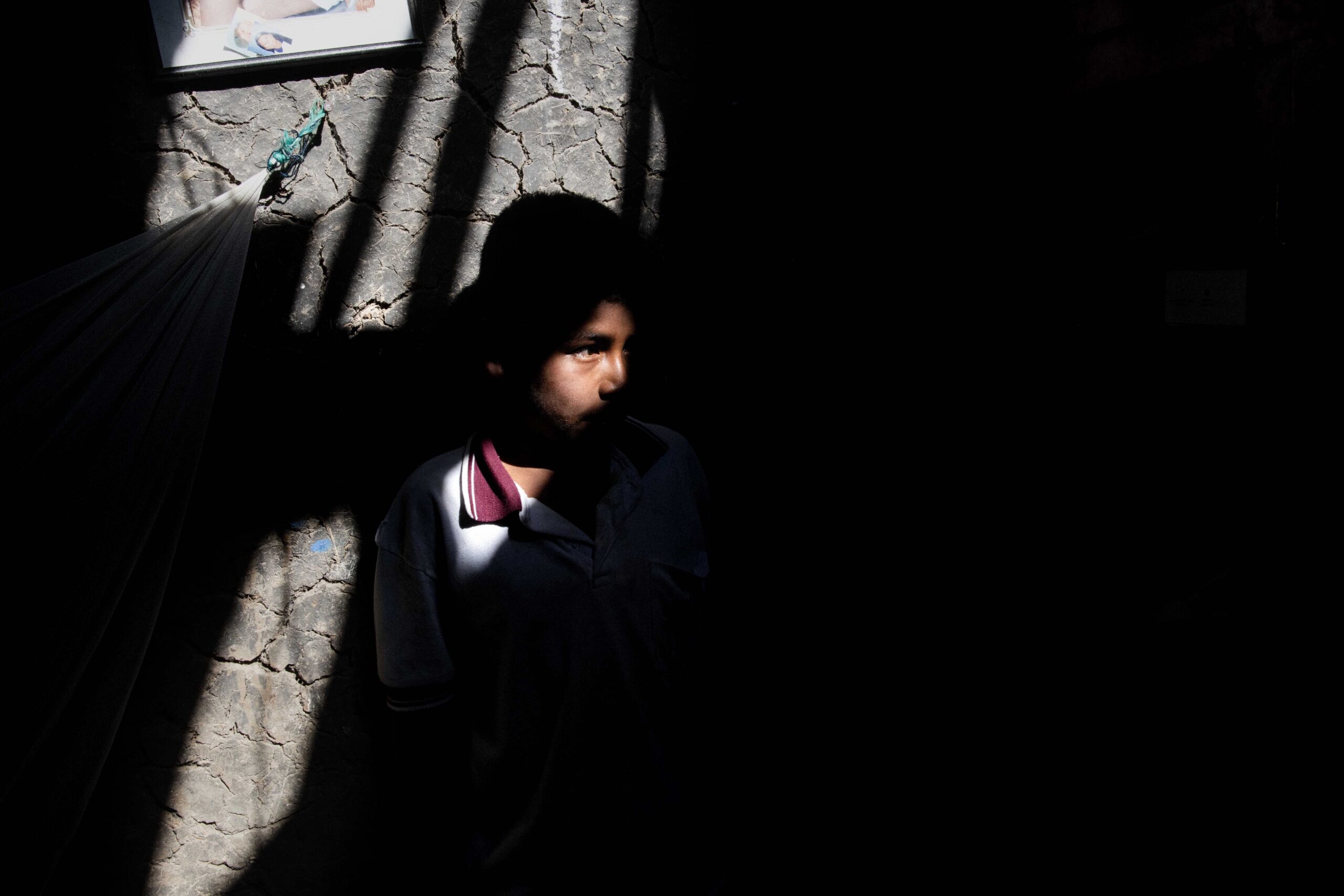
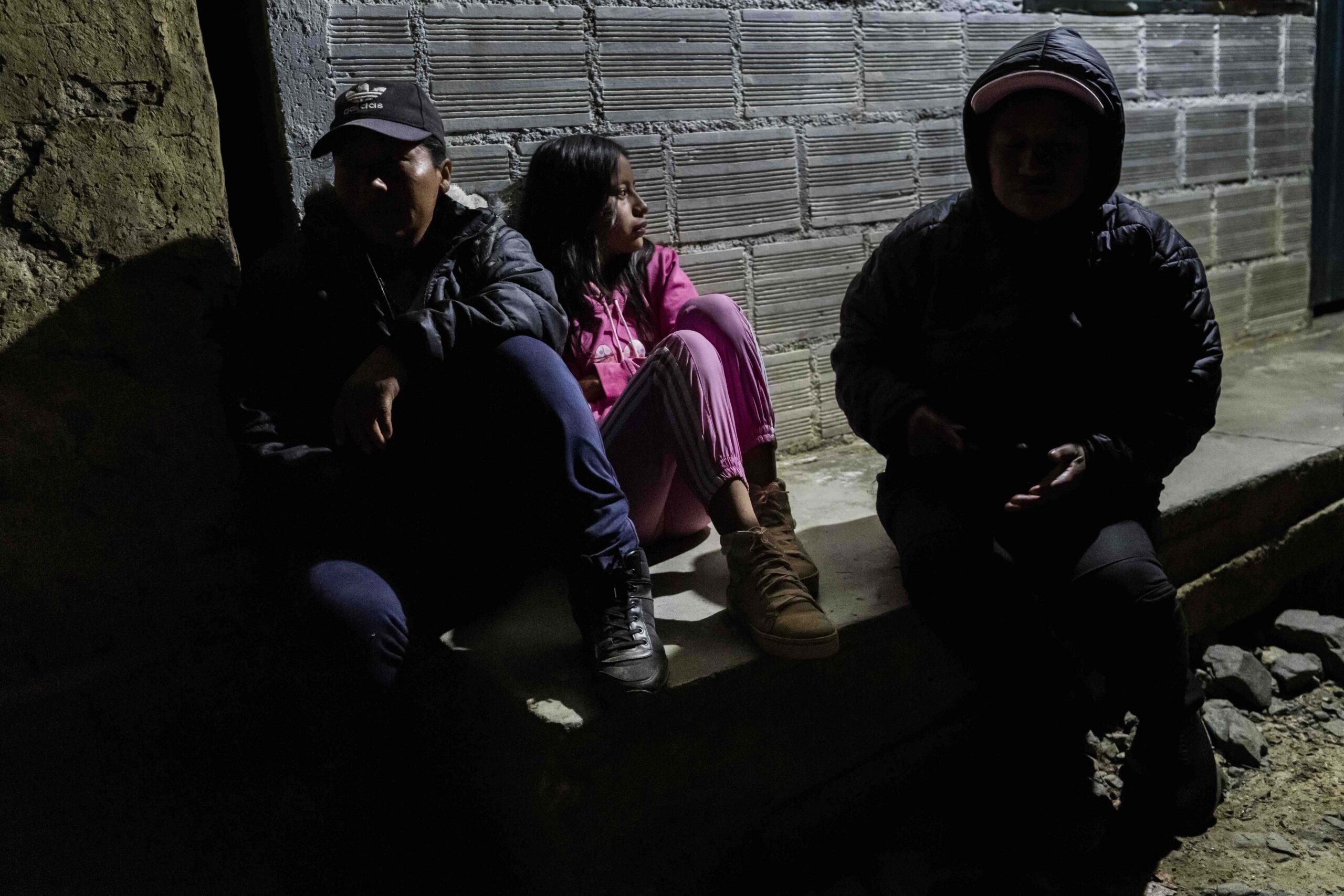
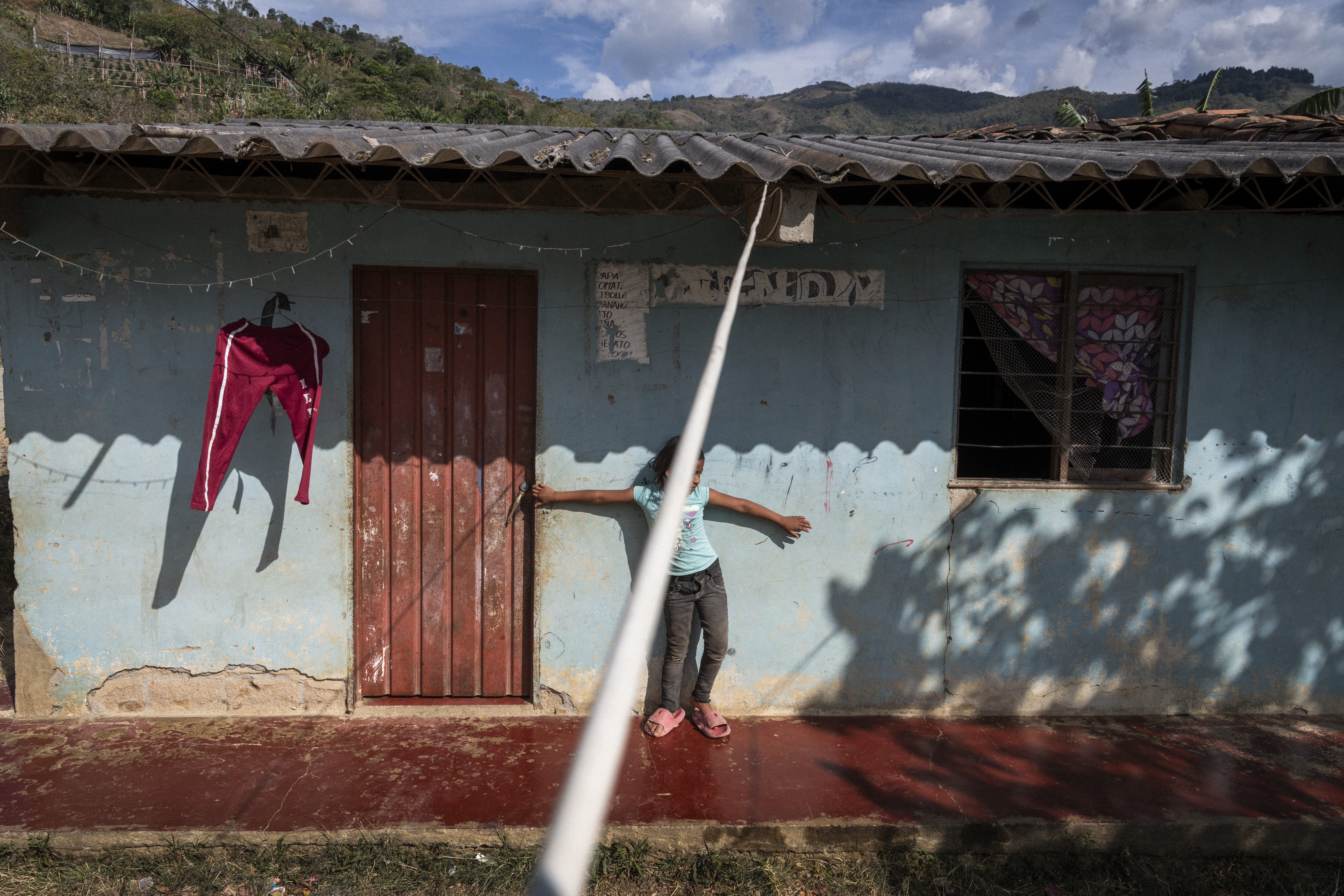
Violence affects not only the land, but also the new generations.
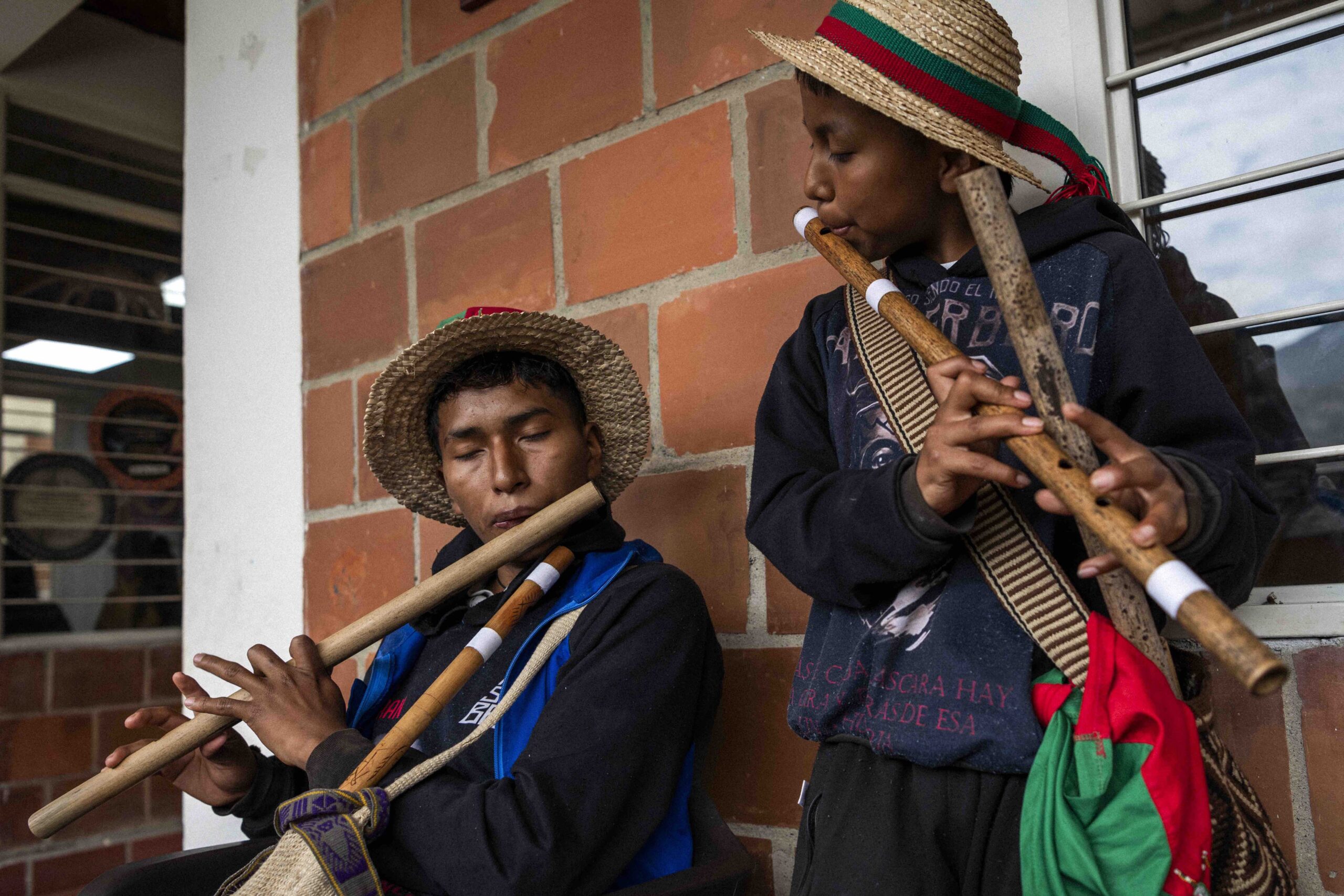
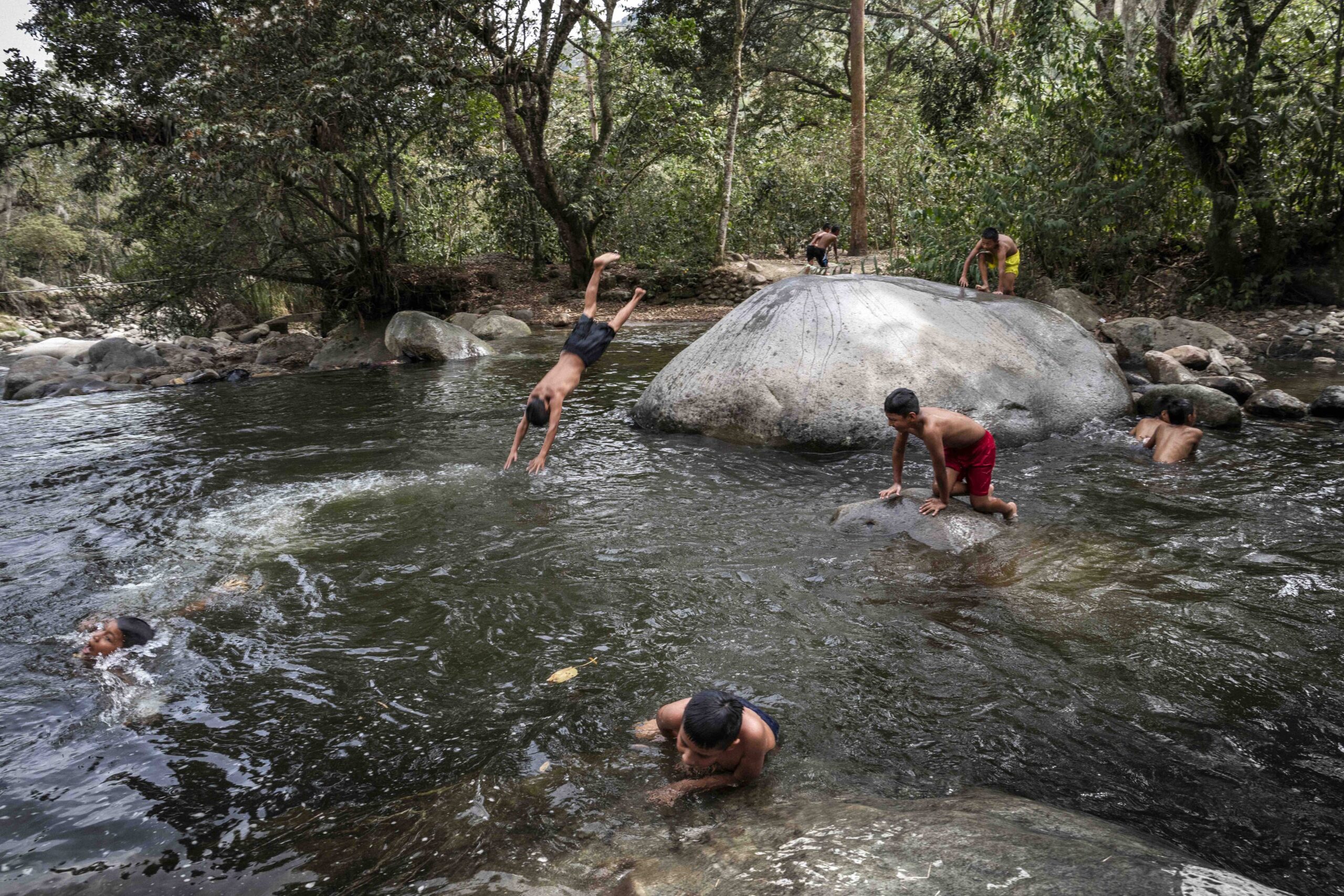
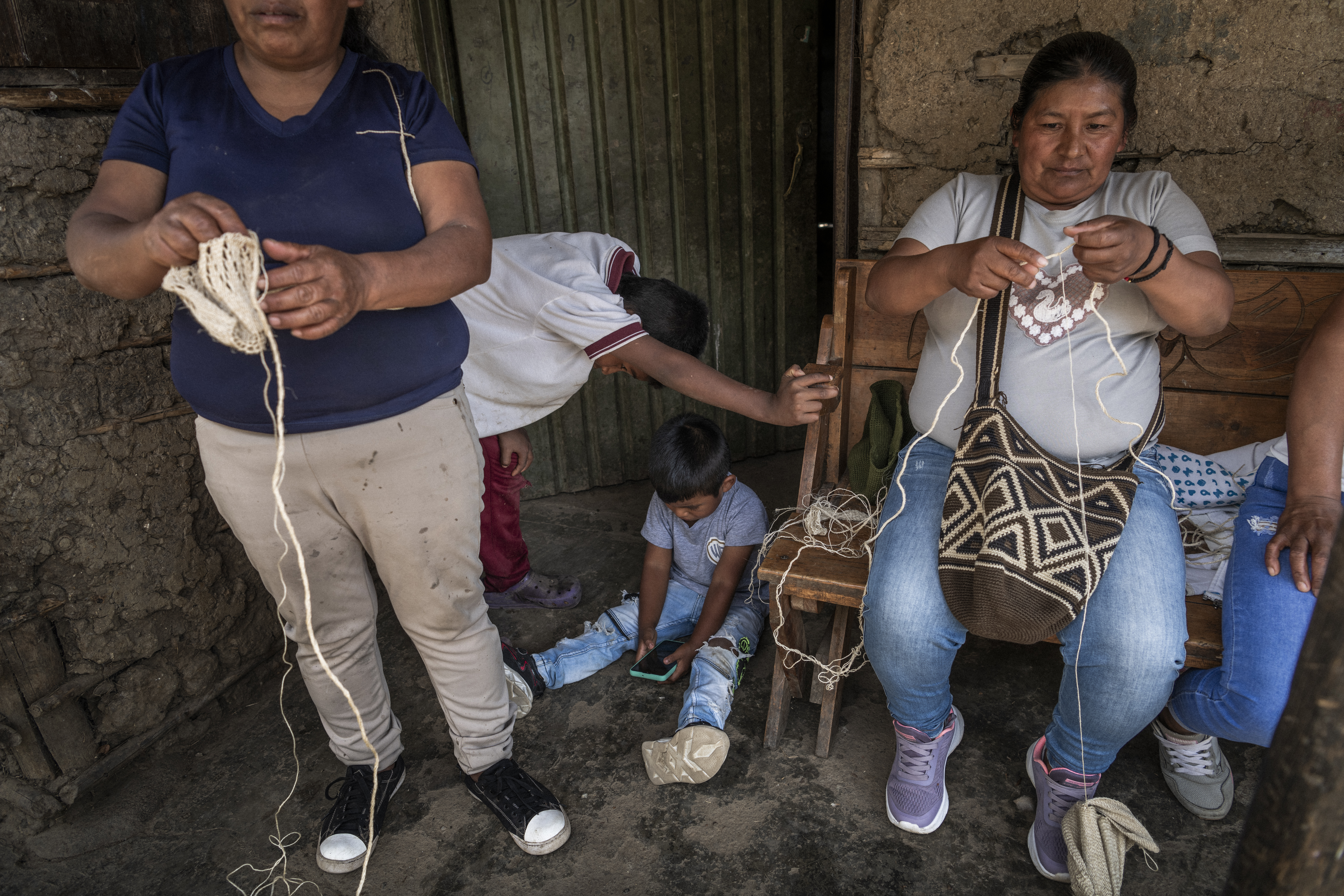
For the Nasa people, children represent the seeds of the community’s future.
Yet they have become a primary target of armed groups.
According to the Association of Indigenous Cabildos of Cauca, between January 2017 and April 2024, at least 817 Nasa children and adolescents were forcibly recruited or forced to participate in the armed conflict and the illegal economies linked to coca and marijuana cultivation.
For Nasa communities, the recruitment of a minor represents a profound fracture, because it severs the connection between a person, the land, the language, and the collective memory.
Defending the youngest means ensuring the continuity of the community and preserving the cultural heritage that each generation passes on to the next.
In this context, “Palabrandar” is not just a concept developed by Nasa writer Vilma Almendra, but is action.
Resistance is built not only through denunciation, but through the daily practice of the community.
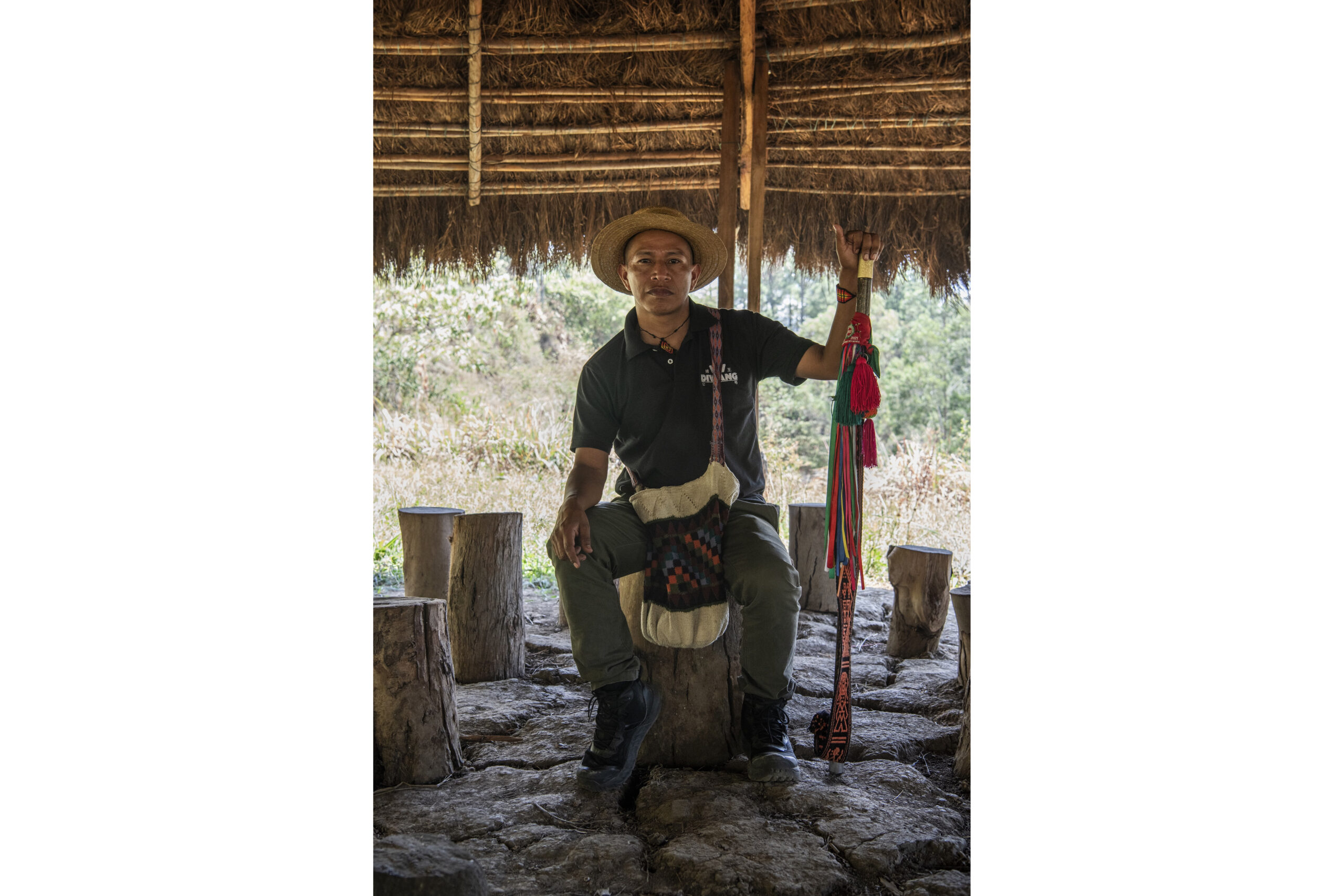
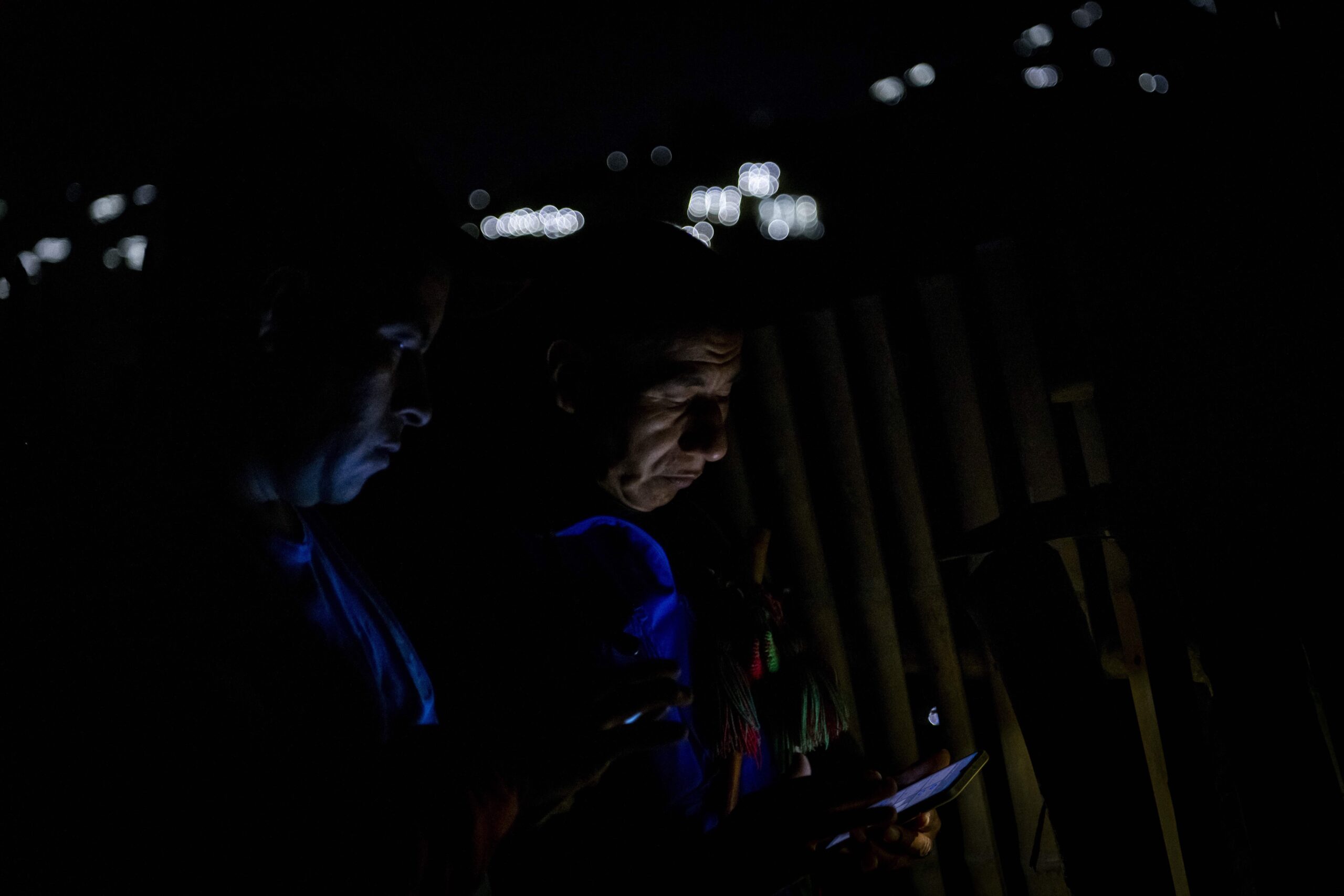
The Indigenous Guards, recognizable by their blue jackets, operate armed only with their symbolic sticks, as well as radios and cell phones, and continue to defend the territory without using firearms.
When armed individuals arrive in the territory or the presence of criminals or members of paramilitary groups is discovered, the community mobilizes to stop them.
After arrest, they are judged according to NASA laws and, if found guilty, subjected to the applicable sanctions, which may include detention in a prison within the NASA community.
Through a community monitoring network, the transmission of the Nasa Yuwe language, the defense of territorial autonomy, and the care of new generations, the Nasa people continue to oppose violence without renouncing their principles.
All knowledge must produce a shared benefit, and every gesture must contribute to the defense of the territory and the community.
In a context where drug trafficking and armed conflict continue to threaten the very existence of indigenous peoples, Palabrandar embodies a word that not only describes reality, but accompanies the community in defending it, transforming it, and preserving it for future generations.